Optimal ACCESS / ACCESS Academy Logo

ACCESS Communication

ACCESS Communication

Communication is a Human Right!

Do you know a child, adolescent, or adult who struggles to be understood via speech alone? Do they struggle to find their words, speak clearly, or is their speech scripted or repetitive?

Do they have challenging behaviors due to frustration?

Are you longing to hear their voice?

We CAN help!

MORE INFO

INTEREST FORM

Don’t Wait – Get Started Today!

Many nonspeaking learners are left behind by systems that assume speech is the only route to meaningful interaction. At Optimal ACCESS, we believe in communication first — and that text-based communication (spelling or typing) can be the foundation of a learner’s reliable, generative communication. If you’ve heard of RPM, Spelling to Communicate (S2C), or Speller’s Method, you’ve come to the right place.

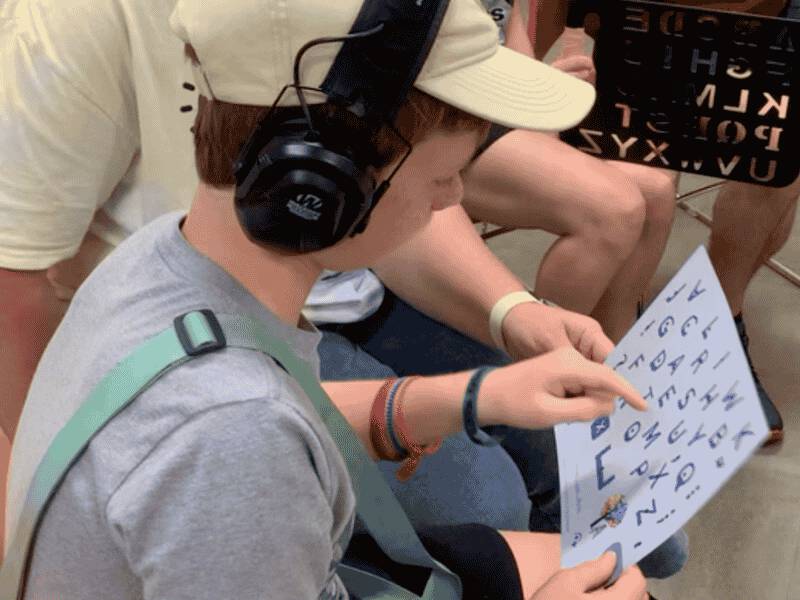
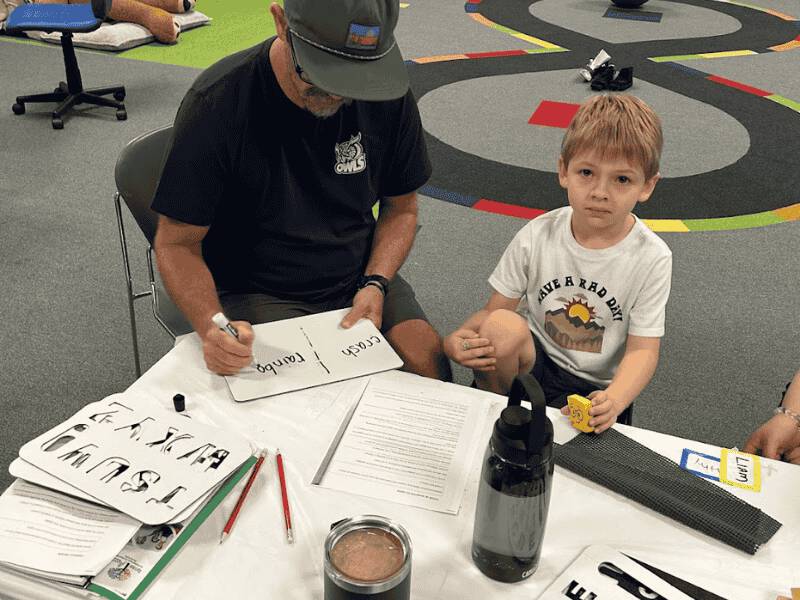
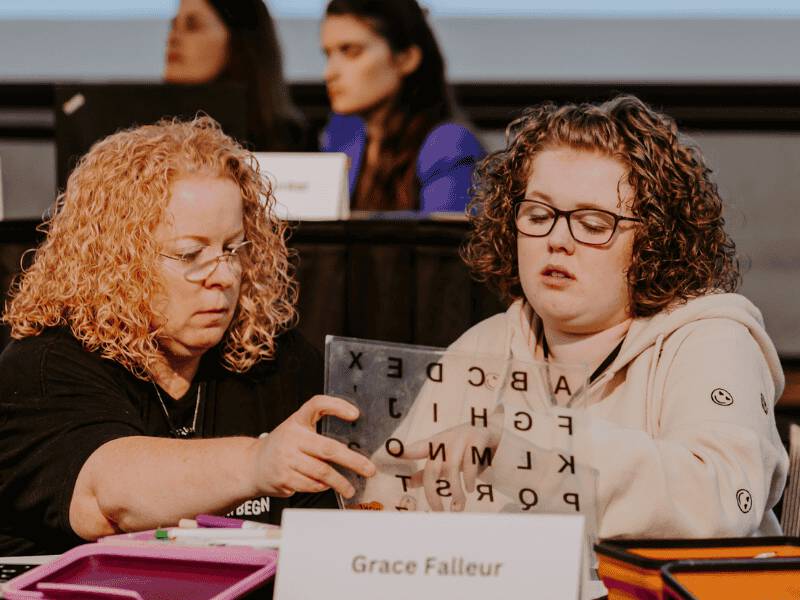
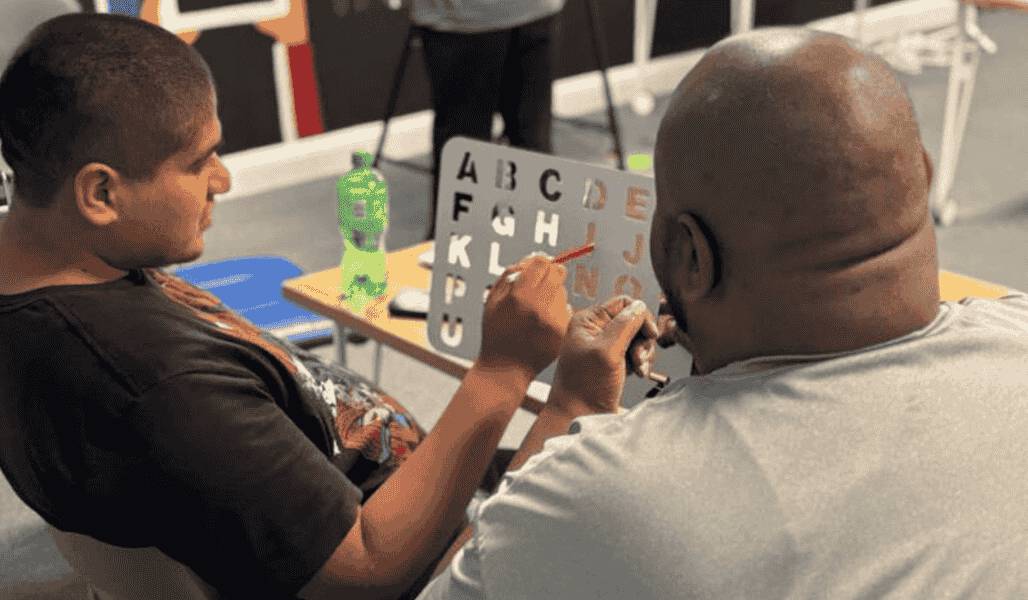
Our popular ACCESS Communication programs provide structured, neuroscience-informed methods to teach nonspeaking students with apraxia the motor skills needed for text-based communication (spelling/typing) as a core means of reliable expression. We are also skilled at teaching communication regulation partners (CRPs) to build skills needed for successful support.
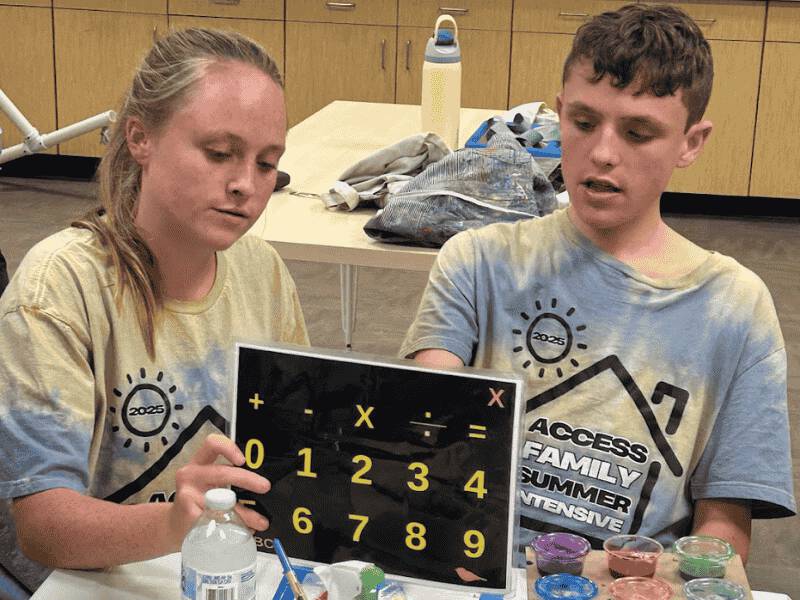
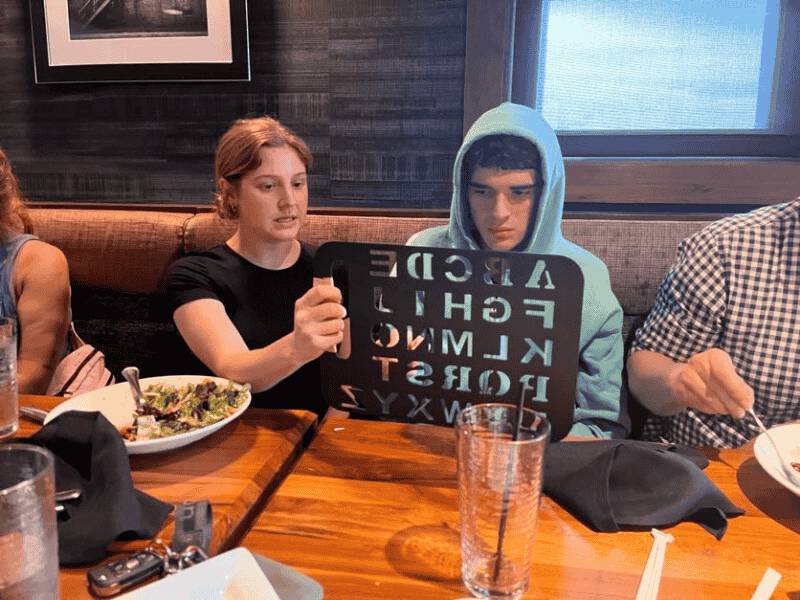


Why Text-Based Communication Matters

  • Limitations of icon/choice systems

Many AAC systems rely on pre-selected icons or choices, which can constrain what the user can say and force slow, inefficient communication.

  • Generative language & flexibility

Spelling or typing allows the user to generate novel utterances, participate in real conversations, express personal voice, and grow in independence.

  • Accommodating of neuromotor apraxia and high intelligence

Most nonspeakers are experiencing sensory and motor differences, referred to as “whole body apraxia”, yet they are intellectually intact and waiting to be set free.

  • Reliability and access

Once foundational skills are established, text-based communication can be faster, more expressive, and more accessible across contexts (school, home, social).

  • Personalized pacing and supports

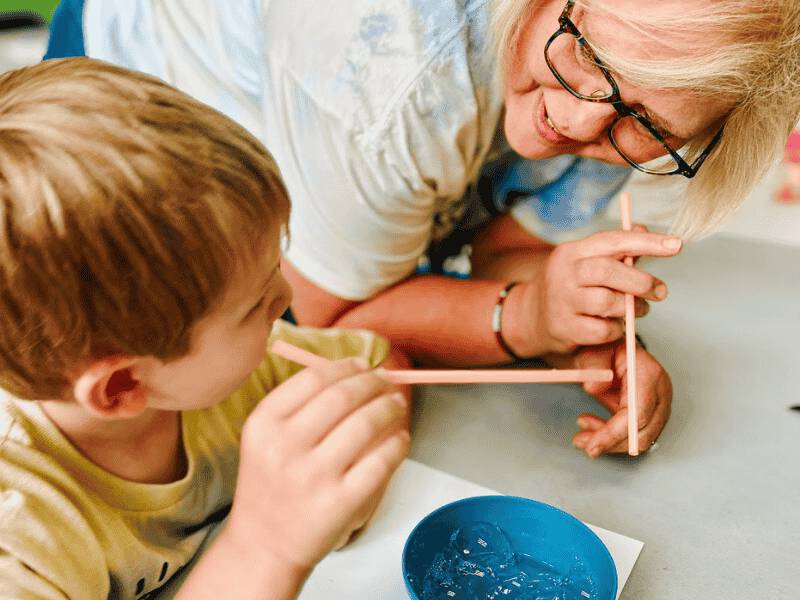
Every learner is different — adjustments are appropriate for motor control, cognitive load, visual access, fatigue, and sensory needs. Support is tailored: prompts, delay, physical scaffolding, cueing — fading support as skills strengthen.

  • Equity & rights to an authentic voice

Every person deserves access to a robust, flexible, accessible mode of communication. For many nonspeaking learners, spelling/typing is that mode.

Ben Breaux

There once was a time when communicating was nearly impossible for me, then the letterboard changed my life. It is possible to communicate and make a difference in the world, without physically speaking.

Ben Breaux, Nonspeaking Autistic Speller & Advocate
Cian Fullam

Dad, I’m in such a good place right now, better than I have been in a long time. The spelling we did today is a complete game changer; my brain is firing on all cylinders, it’s awesome. Dad, I have my mojo back, we’re on the cusp of a huge breakthrough.

It’s a game-changer. I’m so much more in control. I’m a new person.

Cian Fullam, Autistic Self-Advocate/A2A Student

HELP OUR EFFORTS FLOURISH

Join us as a mission partner

DONATE NOW